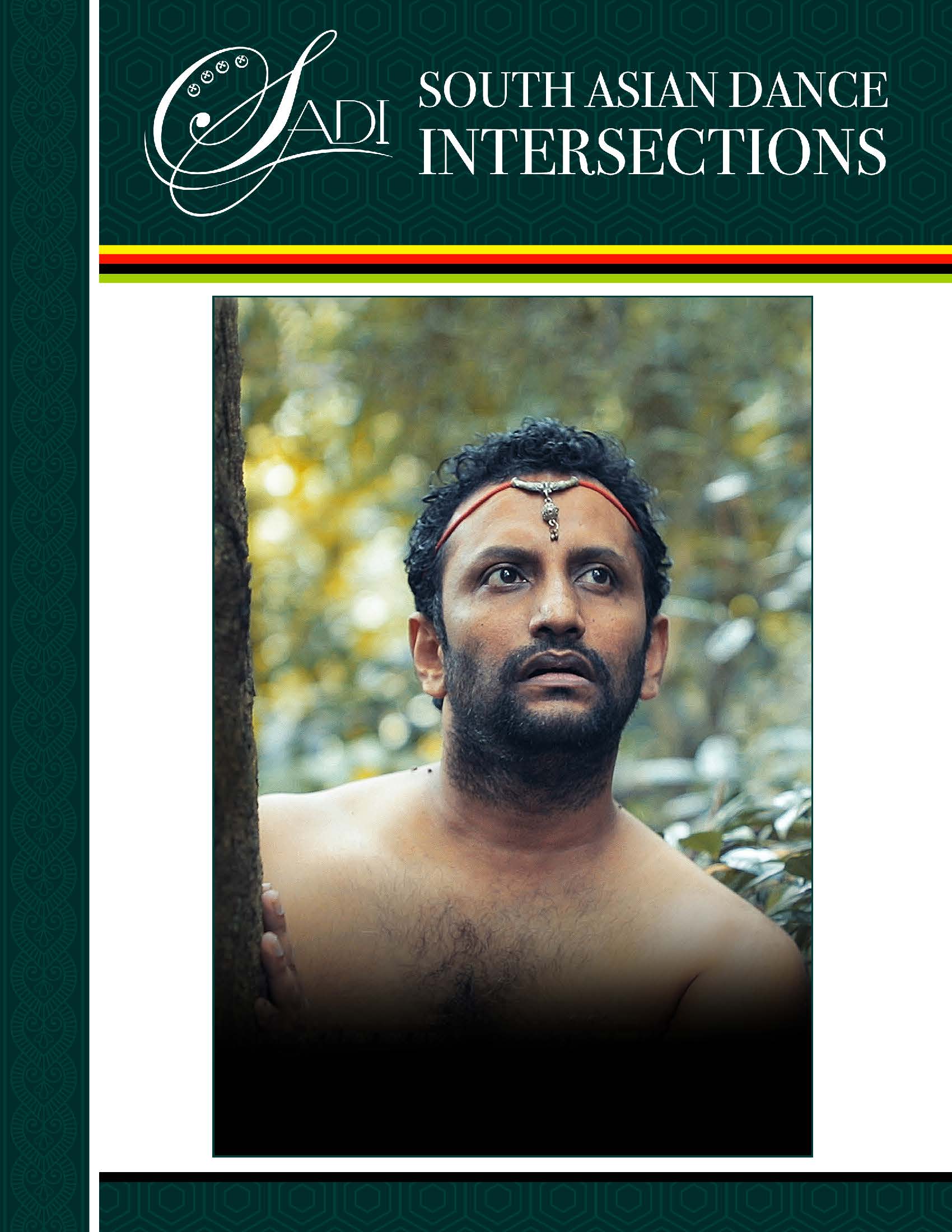
Puṟappāṭu
The Transforming Scene of Kūṭiyāṭṭam’s Śikṣā in Kerala
DOI:
https://doi.org/10.55370/sadi.v4i1.2100Keywords:
Kūṭiyāṭṭam, Guru-Śiṣya, Nampyār, NaṅṅyārkūttuAbstract
Arduous or not, training in Kerala's Kūṭiyāṭṭam has undergone tremendous transformations in the contemporary times. By exploring these transformations from early medieval to the twenty-first century, this study demonstrates the shifting institutionalization of Kūṭiyāṭṭam training from the family structure to governmental and private organizations/ institutions open to non-Cākyār and non-Nampyār students, altering the training from a family vocation to a scholastic matrix. Drawing from the data collected from my pilot study in 2017, fieldwork (June-December 2019), and brief training in Naṅṅyārkūttu, the study also discusses the pedagogical strands in Kūṭiyāṭṭam, and focuses on the “intergenerational transmission” across traditional, semi-traditional and non-traditional milieus. It also explores the present Kūṭiyāṭṭam scene, fraught with tensions regarding access to repertoire and textual sources, performance opportunities, patronage and even the art’s journey to posterity. While analysing Kūṭiyāṭṭam’s pedagogical scene through the tradition-modernity framework, this study derives a core-periphery model underlining the convergence of the core (Guru-Śiṣya traditional training) and peripheral (semi-traditional and non-traditional training) pedagogies that shape the Kūṭiyāṭṭam training scene in the contemporary times.